
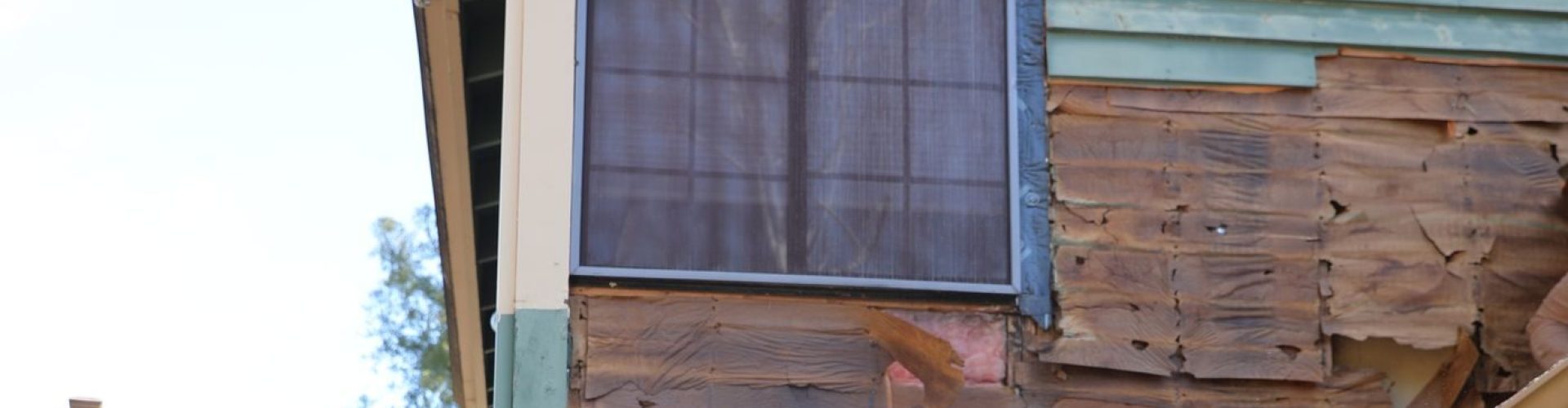
How to Repair Rotted Eaves? Signs, Causes, and Repair Options for Homeowners
Your roof eaves play an important role in protecting your home. They extend past the walls of the house and help direct rainwater away from siding, windows, and the foundation. But when moisture gets trapped around the roofline, the wood in your eaves can begin to rot. Rotted eaves are a common problem for homeowners, especially in places like Sacramento and Northern California, where seasonal rain and debris from trees can cause water to sit in gutters and around the roofline. Over time, that moisture breaks down wood and can lead to dry rot in fascia boards, soffits, and structural framing. If you’re noticing peeling paint, soft wood, or gaps along the roofline, you may be dealing with rotted eaves. The good news is that these issues can often be repaired before they turn into bigger structural problems. In this guide, we’ll explain what causes rotted roof eaves, how to spot the warning signs, and how professionals repair them to keep your home protected
What Causes Rotted Roof Eaves on Homes?
Rotted eaves usually develop slowly. Moisture gets into the wood, and over time the wood fibers weaken and break down. In California homes, this often happens due to a combination of weather exposure and drainage issues. Understanding the cause is important because simply replacing the wood without fixing the underlying problem can lead to the same issue happening again.
One of the most common causes of rotted eaves is clogged or poorly functioning gutters.
When gutters fill with leaves, dirt, and debris, rainwater can’t drain properly. Instead of flowing through the downspouts, the water overflows and spills onto the fascia boards and eaves.
Over time, this constant exposure to moisture leads to:
- Wood rot
- Peeling paint
- Soft fascia boards
- Mold and mildew growth
In areas like Sacramento, Roseville, Folsom, and Citrus Heights, many homes are surrounded by large trees. Leaves and pine needles easily collect in gutters, which increases the risk of overflow and water damage.
This is why many homeowners search for services like:
- gutter repair Sacramento
- dry rot repair Sacramento CA
- fascia board repair near me
Proper gutter maintenance is one of the best ways to protect roof eaves from moisture damage.
How Water Damage and Clogged Gutters Lead to Rotted Eaves
Why Poor Ventilation and Aging Wood Cause Eave Dry Rot
Another common cause of rotted eaves is poor ventilation in the attic or soffit area.
Eaves often contain soffit vents that allow air to circulate through the attic. If these vents are blocked or damaged, moisture can build up inside the roof structure.
When warm air and moisture become trapped, it creates the perfect environment for fungus and moisture damage.
Aging wood also plays a role. Older homes often have wooden fascia and eave boards that have been exposed to decades of weather. Once protective paint or sealant wears away, the wood becomes more vulnerable to moisture damage.
Without regular maintenance, even small cracks can allow water to seep into the wood and start the rot process.
Signs Your Roof Eaves Have Rot and Need Repair
One of the most common causes of rotted eaves is clogged or poorly functioning gutters.
When gutters fill with leaves, dirt, and debris, rainwater can’t drain properly. Instead of flowing through the downspouts, the water overflows and spills onto the fascia boards and eaves.
Over time, this constant exposure to moisture leads to:
- Wood rot
- Peeling paint
- Soft fascia boards
- Mold and mildew growth
Rotted eaves don’t usually appear overnight. Most of the time, there are visible warning signs that homeowners can spot early.
Catching these signs quickly can prevent more serious structural damage.
How to Tell if Your Roof Eaves or Fascia Boards Are Rotted
One of the easiest ways to identify rotted eaves is by doing a simple visual inspection of the roofline.
Look for signs such as:
- Peeling or bubbling paint near the roof edge
- Dark stains along fascia boards
- Cracks in the wood
- Soft or spongy areas when touched
- Sections of wood that appear swollen or warped
You may also notice gutters starting to sag or pull away from the house. This often happens when the fascia board behind the gutter begins to rot and can no longer support the weight.
If left untreated, the rot can spread to nearby framing and eventually weaken the roof structure.
Warning Signs of Dry Rot in Eaves and Soffits
Dry rot can affect both the fascia boards and the soffits underneath the eaves.
Here are some common warning signs:
- Small holes or crumbling wood
- Musty smells near the roofline
- Discoloration or fungal growth
- Pieces of wood breaking apart easily
- Increased insect activity around the eaves
Dry rot spreads quickly if moisture remains present. Once the fungus begins breaking down the wood fibers, the structure loses strength and stability.
This is why many homeowners in Northern California look for dry rot repair contractors in Sacramento when they notice damage around their roofline.
Replacing Fascia Boards and Repairing Structural Eave Damage
Once the damaged wood is removed, the next step is installing new material.
The repair process usually includes:
- Installing new fascia boards
- Rebuilding damaged soffit panels
- Reinforcing structural framing if needed
- Sealing the wood with primer and paint
- Reinstalling gutters and downspouts
Modern materials are often treated or sealed to resist moisture and extend the life of the repair.
Contractors may also recommend installing gutter guards or improving drainage to prevent water from collecting around the eaves again.
One of the most common causes of rotted eaves is clogged or poorly functioning gutters.
When gutters fill with leaves, dirt, and debris, rainwater can’t drain properly. Instead of flowing through the downspouts, the water overflows and spills onto the fascia boards and eaves.
Over time, this constant exposure to moisture leads to:
- Wood rot
- Peeling paint
- Soft fascia boards
- Mold and mildew growth
Some small cosmetic repairs can be handled by homeowners, but larger areas of rot often require professional help.
Calling a contractor early can prevent the damage from spreading into more expensive structural repairs.
Rotted eaves are a common problem for homeowners, but they’re also one of the most preventable exterior issues.
Regularly checking your roofline, keeping gutters clean, and addressing small problems early can prevent expensive repairs later.
If you notice signs like soft wood, peeling paint, sagging gutters, or cracks in the fascia, it may be time to schedule an inspection.
Professional repairs not only restore the appearance of your home but also protect the structure from long-term damage.
By maintaining your gutters, fascia boards, and roof eaves, you can keep your home strong, dry, and protected for many years to come.