
What is Siding?
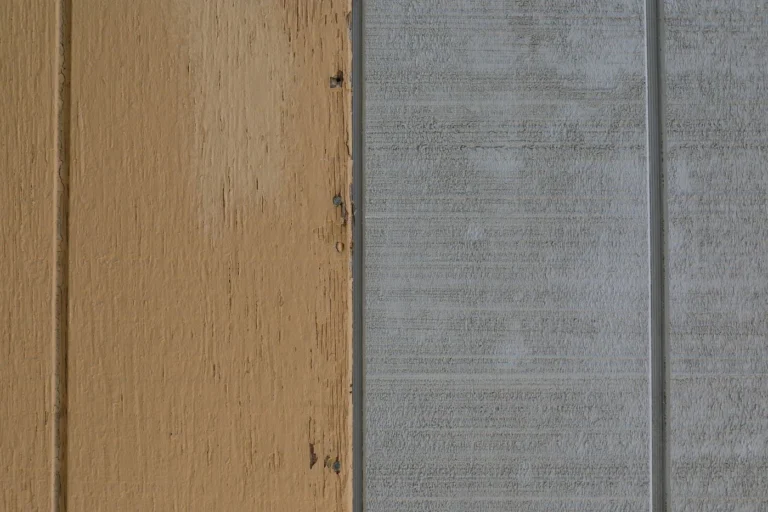
What is Siding?
Siding is the outer layer of a home that covers the outside walls of a home. It’s primary role is to protect your home from moisture, pests, weather, and everyday wear and tear. It also plays a role in how your home looks.
If a home doesn’t have siding, it becomes exposed to weather elements like heat, rain, wind, and cold which can cause serious damage overtime. Good siding keeps your home sturdy, energy-efficient and comfortable.
What Type of Siding is there?
There are many different types of siding used for residential hoes. Each type of siding has its own cost, maintenance and look. Some of the common types of siding are:
- Wood Siding
- Vinyl Siding
- Fiber Cement Siding
- Metal Siding
The two most popular siding options for homeowners are wood and vinyl, which we’ll dive deeper into these two types.
The difference between wood siding and vinyl siding
Wood Siding
Wood siding offers a natural, classic look that many homeowners love. It can be painted or stained in a wide range of colors, making it easy to customize and refresh over time. With proper care like sealing, painting, and routine checks, wood siding can last for decades and age beautifully.
Vinyl siding
Vinyl siding is known for being low maintenance and cost-effective. It does not require painting and resists moisture and pests. While vinyl comes in many colors and styles, it cannot be refinished once faded and may be more susceptible to cracking or warping in extreme temperatures.
While both options are commonly used, many homeowners prefer wood siding for its classic appearance, flexibility in design, and long-term value. The best choice depends on your home’s style, desired appearance, and willingness to maintain the material over time.
Siding is the first barrier of your home. Damaged siding can be more prone to having water seep through which can cause problems like rot, mold or structural damage.
A well built and maintained siding help your home by:
- protecting it from water damage
- prevents costly repairs
- upkeeps the aesthetic of your home
- improve energy efficiency
Ignoring siding issues don’t fix the problem, as small issues accumulate to bigger and more expensive repairs down the road.
Taking care of your siding can seem intimidating at first but it doesn’t have to be complicated. Small routine maintenance really does help.
Small simple steps:
- Checking for cracks, gaps, or loose panels
- Cleaning siding once or twice a year
- Keeping plants and bushes trimmed away from siding
- Repainting or sealing wood siding when needed
How Can You Know If Your Siding Is Damaged?
There are several signs that your siding may need repair or replacement:
- Cracks, warping, or holes
- Peeling paint or bubbling
- Mold or mildew growth
- Soft spots or rotting wood
- Higher energy bills due to poor insulation
- Water stains inside your home
If you notice any of these signs, it’s important to act quickly.
What to Do If Your Siding Is Damaged?
If your siding is damaged, the best next step is to have it looked at by a professional contractor. Minor issues can often be repaired, while more serious damage may require partial or full siding replacement.
Avoid delaying repairs. Moisture damage can spread fast and affect framing, insulation, and interior walls.
A siding professional can help you decide what repair or replacement is the best option.
Siding is more than just the outside look of your home. It protects your house, improves energy efficiency, and helps prevent costly damage. Knowing what siding is, the types available, and how to care for it helps you make better decisions as a homeowner.
Regular maintenance and early repairs can extend the life of your siding and keep your home safe, comfortable, and looking its best.